
Products
Renewable Biofuels from Biomass Waste
iNBIO transforms wood residues, agricultural waste, and other organic feedstocks into bio-oil, biochar, and syngas -- displacing fossil fuels across a range of industrial and commercial applications.
What Is Bio-Oil?
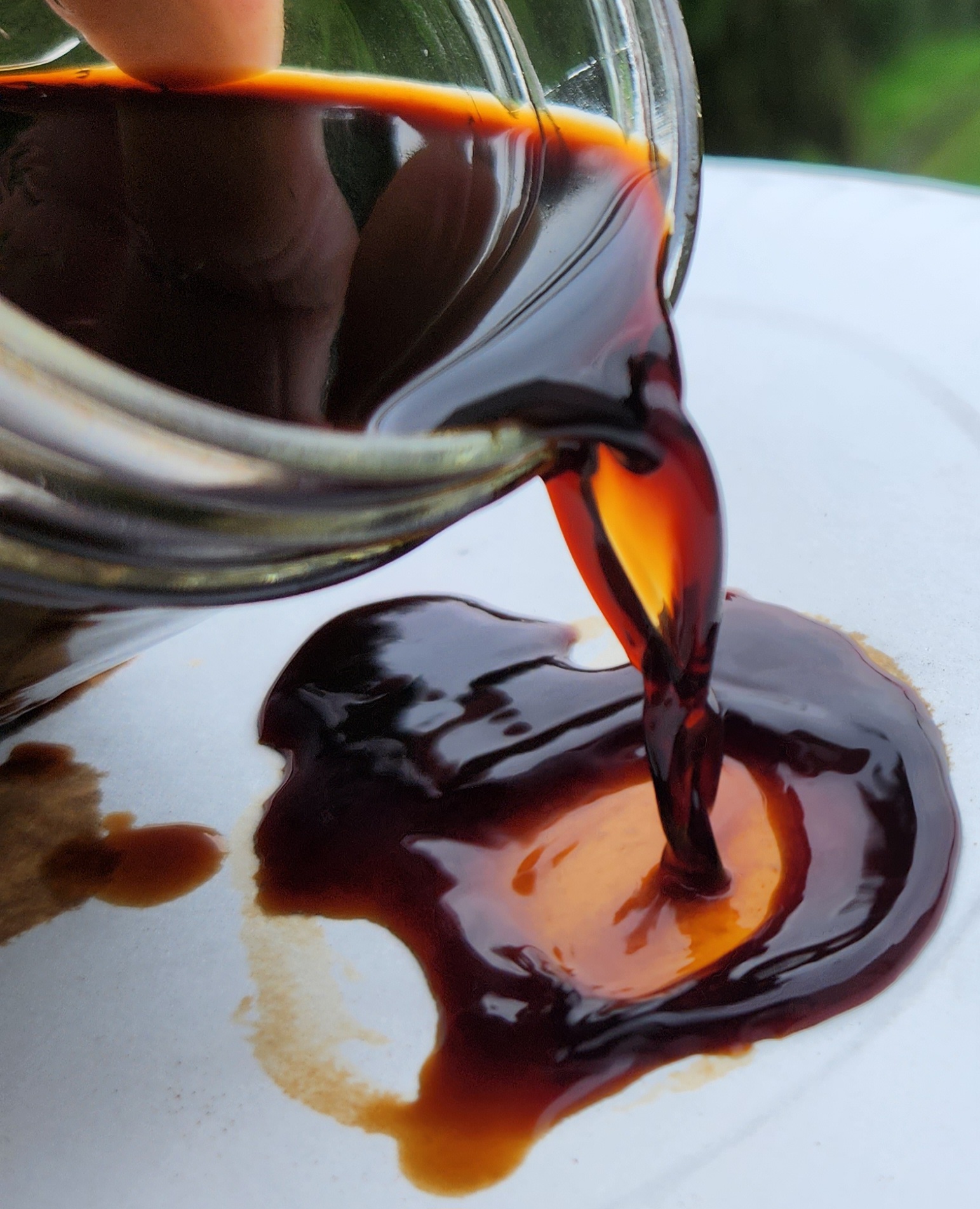
Bio-oil is a dark, dense liquid produced through the rapid thermal decomposition of biomass in the absence of oxygen. Biomass is heated to approximately 500°C in seconds, breaking down its cellulose, hemicellulose, and lignin into condensable vapors that are rapidly cooled into a pourable liquid fuel.
Bio-oil typically contains 50--70% of the energy density of conventional heating oil and consists of a complex mixture of oxygenated hydrocarbons and water. While its composition differs from petroleum-based fuels, bio-oil offers several practical advantages for industrial and commercial energy users.
Properties & Performance
- High volumetric energy density compared to raw biomass, making it easier and more economical to store and transport
- Renewable and carbon-neutral when produced from sustainably managed feedstocks
- Compatible with existing combustion infrastructure for industrial boilers, furnaces, and kilns with minor modifications
- Upgradeable to drop-in fuels through catalytic hydrotreatment, producing renewable diesel, jet fuel, and marine fuel
50--70%
Energy Density vs. Heating Oil
5
Application Sectors
500°C
Pyrolysis Temp
Net −
Carbon Outcome
Key Biofuel Applications
Bio-oil and our other pyrolysis biofuels serve five major market segments, each offering a practical, lower-carbon alternative to fossil fuels.
Industrial Heat & Steam
Bio-oil can directly replace heavy fuel oil and natural gas in industrial boilers, kilns, and dryers. Manufacturers in food processing, lumber drying, and materials production can switch to biomass fuel without overhauling existing thermal systems.
Combined Heat & Power (CHP)
District energy systems and institutional campuses can use bio-oil to generate both electricity and usable heat from a single fuel source. CHP configurations maximize energy efficiency and reduce dependence on grid electricity and fossil-fueled heating.
Transportation Fuels
When upgraded through catalytic processing, bio-oil becomes a feedstock for sustainable aviation fuel (SAF), renewable marine fuel, rail diesel, and on-road diesel blends -- meeting existing engine specifications and supporting decarbonization mandates.
Backup Power & Microgrids
Bio-oil-fueled generators provide reliable backup power for critical facilities and remote operations. In microgrid configurations, pyrolysis biofuel ensures energy resilience independent of centralized grid infrastructure.
Infrastructure & Materials
Bio-oil shows strong potential as an asphalt binder modifier, improving pavement performance while incorporating a renewable material into road construction -- creating additional value from the same pyrolysis process.
Carbon Reduction Benefits
Biogenic Carbon Cycle
Because the carbon in bio-oil originates from recently grown biomass -- not ancient geological deposits -- burning it returns carbon to the atmosphere as part of the natural carbon cycle rather than adding new carbon to it.
Carbon-Negative When Biochar Is Sequestered
When biochar is sequestered in soils rather than combusted, the overall process achieves carbon-negative outcomes: more CO₂ is locked away than is released during fuel production and use. This circular economy model transforms waste into stable carbon storage and clean energy simultaneously.
Scope 1 & 2 Reduction Pathway
For organizations tracking Scope 1 and Scope 2 emissions, switching to iNBIO biofuels provides a quantifiable pathway toward reduction targets, supported by lifecycle analysis data and third-party verification.
Working With iNBIO
We partner with industrial operators, municipalities, and energy developers to deploy pyrolysis biofuel solutions matched to their specific requirements.
Site Assessment & Feedstock Analysis
We evaluate your available biomass waste streams, energy requirements, and infrastructure to determine the optimal system configuration and expected fuel output.
System Design & Specification
Our engineering team designs a tailored pyrolysis solution covering reactor sizing, fuel handling, storage, and integration with your existing thermal or power systems.
Installation, Commissioning & Ongoing Support
We manage the full deployment process from construction through startup, then provide ongoing operational support, performance monitoring, and maintenance to ensure sustained fuel quality and system uptime.
Replace Fossil Fuels with Renewable Biofuels
Explore how our products fit your operations, or connect with our team to discuss your project.