
Our Technology
Turning Biomass Waste into Valuable Energy Products
Fast pyrolysis converts agricultural residues, forestry byproducts, and urban wood debris into bio-oil, biochar, and syngas -- a carbon-negative, economically self-sustaining process that scales from small rural operations to large industrial facilities.
Why Fast Pyrolysis?
Every year, billions of tons of biomass waste end up in landfills or are left to decompose in the open. This wasted organic material represents an enormous untapped energy resource. Fast pyrolysis offers a proven, commercially viable path to convert that waste into high-value products.
iNBIO's modular reactor systems are designed to operate at the point of waste generation -- sawmills, farms, wood recycling yards -- eliminating costly long-haul transport and turning a disposal liability into a revenue stream.
How Fast Pyrolysis Works
A thermochemical process that rapidly decomposes organic material in the absence of oxygen, producing three distinct, usable products.
Biomass Preparation
Incoming feedstock is dried to 15% moisture or less and reduced to uniform particles of 2--6 mm. Proper sizing and drying ensure rapid, even heat transfer inside the reactor and maximize liquid yield.
Rapid Thermal Decomposition
Prepared biomass enters a fluidized bed reactor at 450--550°C. Particles reach full reaction temperature in under two seconds -- favoring condensable vapors over solid char or permanent gases, which is why fast pyrolysis achieves significantly higher bio-oil yields than slow pyrolysis or gasification.
Product Separation & Collection
The hot vapor stream passes through cyclones and condensers. Biochar is separated first, then vapors are rapidly cooled into bio-oil. The non-condensable fraction is captured as syngas and routed back to fuel the reactor’s heating system.
Our Reactor Technology
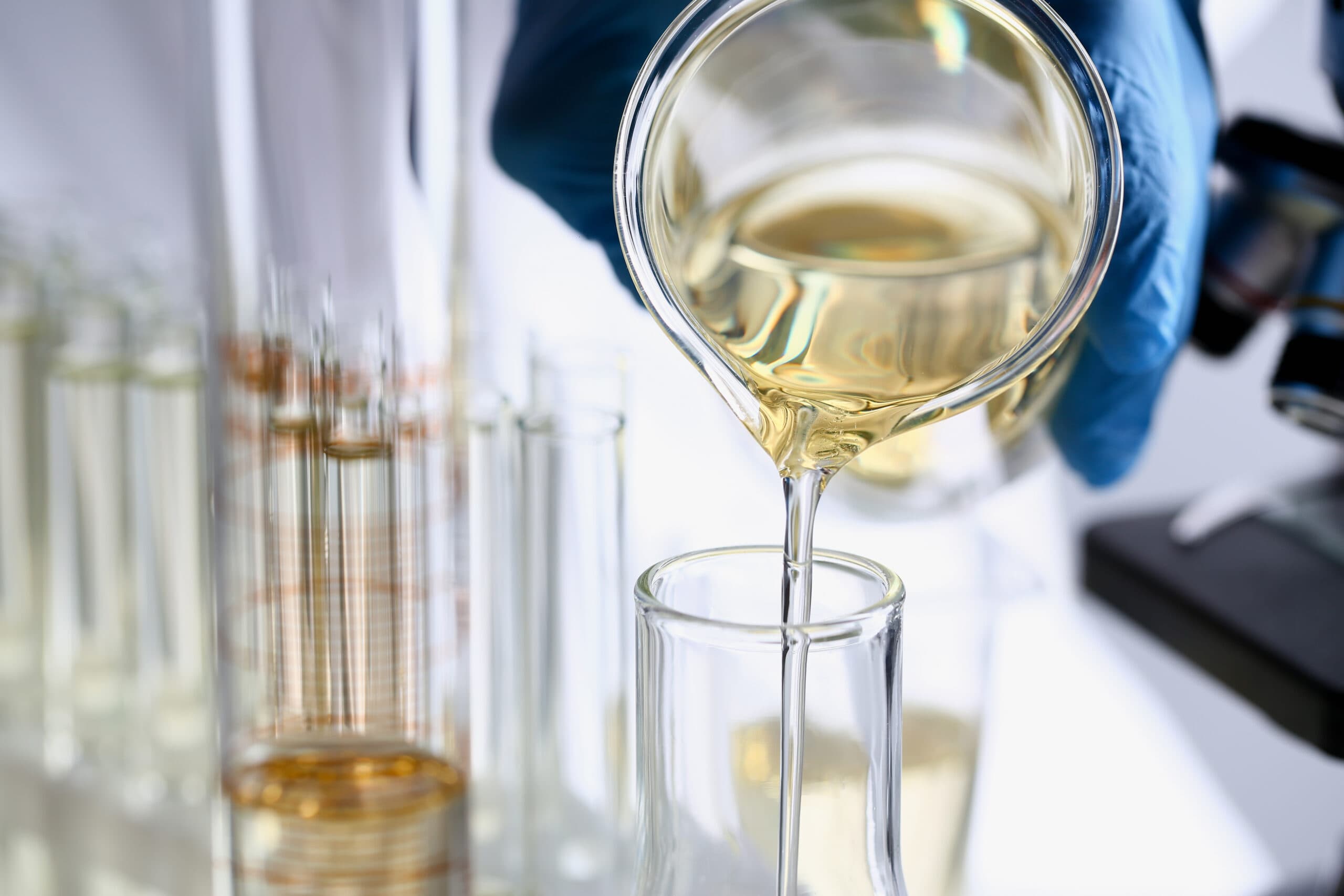
iNBIO's reactor is built around a fluidized bed design -- the same core technology used in the most successful commercial pyrolysis installations worldwide. A stream of hot inert gas suspends a bed of sand particles, creating a turbulent, fluid-like environment that delivers heat to every biomass particle surface almost instantaneously.
After the initial startup period, the system becomes self-sustaining: syngas generated by the process is recycled to provide all the heat the reactor requires, with no external fuel needed for continuous operation.
Superior Heat Transfer
Intimate contact between sand and biomass particles achieves heat transfer rates that fixed-bed and auger-style reactors cannot match, resulting in higher bio-oil yields and more consistent product quality.
Uniform Temperature Control
Turbulent mixing inside the fluidized bed eliminates hot spots and cold zones, ensuring that every particle experiences the same thermal conditions -- essential for producing bio-oil with predictable, repeatable specifications.
Scalable, Modular Architecture
Reactor units are available in capacities ranging from 5 to 75 metric tons per day, and multiple units can be combined to exceed 200 TPD. Each module is factory-built and shipped to site, reducing construction timelines and capital risk.
450--550
°C Reactor Temp
< 2 s
Residence Time
5--75
TPD Modular Range
100%
Biomass Utilization
Three Products, Zero Waste
Fast pyrolysis converts virtually 100% of incoming dry biomass into usable products. Nothing is sent to a landfill.
Bio-Oil
40--70% yield by weight
A dense, energy-rich liquid that can replace heavy fuel oil in industrial boilers and furnaces, or be refined into transportation-grade biofuels. Bio-oil is the primary revenue product of the pyrolysis process.
Learn moreBiochar
15--40% yield by weight
A stable, carbon-rich solid with applications in soil amendment, water filtration, and carbon sequestration. When applied to soils, biochar locks carbon underground for hundreds of years while improving fertility and water retention.
Learn moreSyngas
7--20% yield by weight
A combustible gas mixture of hydrogen, carbon monoxide, and light hydrocarbons. In our system, syngas is recycled internally to heat the reactor, making the process thermally self-sufficient and reducing operating costs.
Product yields vary depending on feedstock type, moisture content, and reactor operating parameters. Our engineering team works with each client to optimize for their specific biomass source and target product mix.
Feedstock Flexibility
One of the most important advantages of iNBIO's technology is its ability to process a wide range of biomass feedstocks. Our reactor systems have been tested and validated with woody biomass and agricultural residues alike.
For optimal performance, feedstock should arrive at or be dried to a moisture content of 15% or less, with an ash content below 10%. Our team provides feedstock assessment and preparation guidance as part of every project engagement.
Woody Biomass
- Forestry residues (tops, limbs, bark)
- Sawmill fines and wood shavings
- Urban wood waste (pallets, construction debris, land-clearing material)
Agricultural Residues
- Corn stover and wheat straw
- Rice husk and rice straw
- Nut shells (pecan, walnut, almond)
- Sugarcane bagasse
- Poultry litter and other animal-bedding waste
Environmental Impact
Carbon-Negative Process
By diverting biomass from landfills and open burning, the process eliminates methane emissions -- a greenhouse gas 80 times more potent than CO₂ over a 20-year horizon. When biochar sequestration is combined with fossil fuel displacement by bio-oil, the overall process achieves a net carbon-negative footprint.
Fossil Fuel Displacement
Bio-oil produced through fast pyrolysis directly replaces heavy fuel oil, natural gas, and other fossil fuels in industrial heating and power generation applications -- reducing Scope 1 emissions for every operator that adopts the technology.
Landfill Diversion & Circular Economy
Waste materials that currently have zero or negative value are transformed into energy products, soil amendments, and process heat -- closing the loop on organic waste streams and reducing dependence on fossil resources.
Explore Fast Pyrolysis for Your Operation
Whether you manage forestry residues, agricultural waste, or urban wood debris, iNBIO's modular fast pyrolysis systems can turn your biomass into revenue.